Guide · Verified 2026-08-10
China Runs on Electric Cars
The first thing visitors notice on a Chinese street isn't a building. It's the quiet — whole intersections of traffic moving with no engine noise, and green licence plates everywhere. For anyone even mildly interested in cars, this is one of the more startling things about arriving in China, and almost all of it is free to experience.
You'll ride in one without trying
Order a DiDi and the odds are high that what pulls up is electric — a BYD, an Aion, an Xpeng, brands most visitors have never sat in. Green licence plates mark them out: new-energy vehicles get their own plate colour, which is why the proportion is so visible once you know to look.
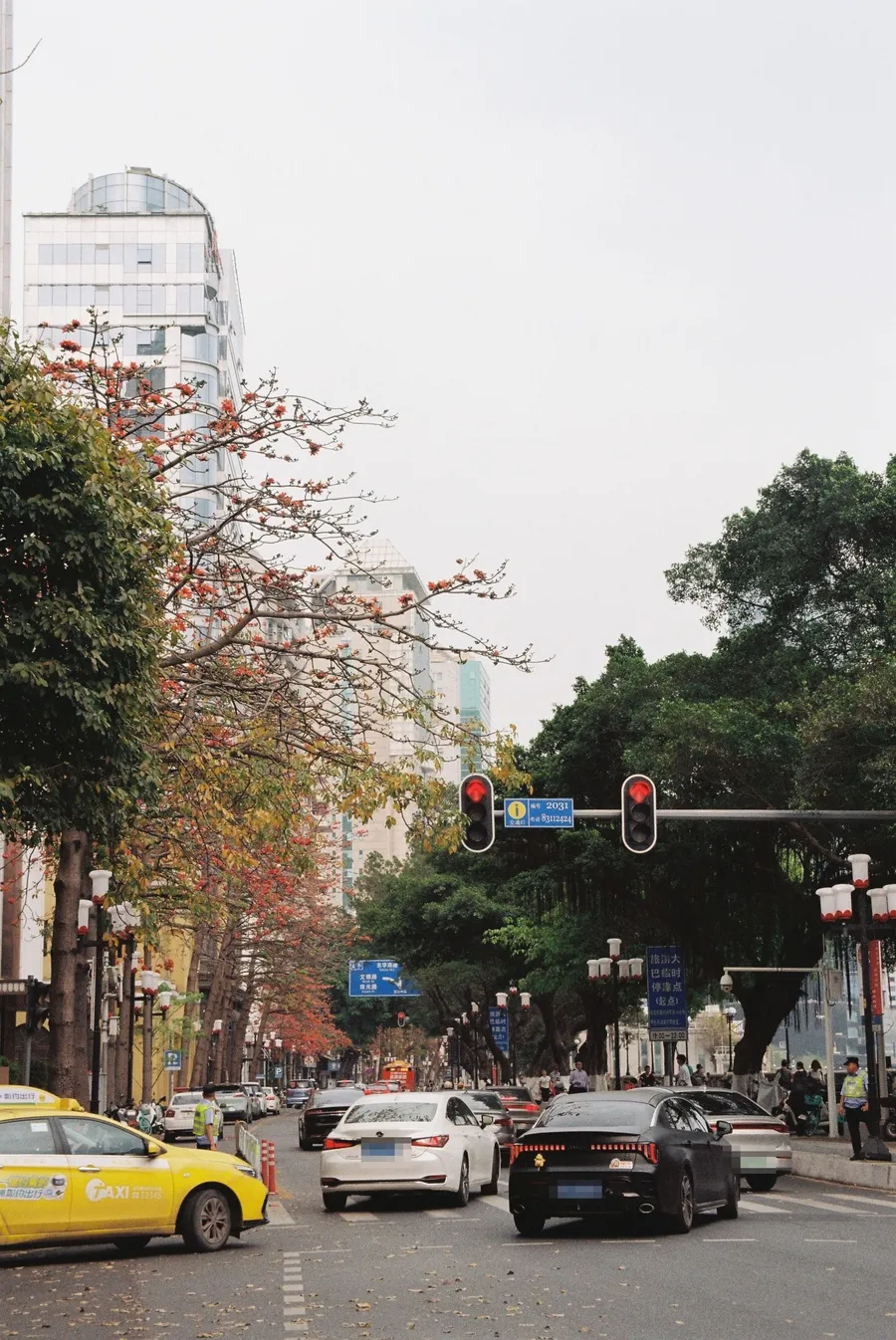
If you want to be deliberate about it, order a higher service tier — the premium categories skew towards newer electric models. Our DiDi guide covers ordering in English and the airport pickup rules.
The driverless taxi
China has the largest robotaxi deployment outside the United States. Baidu's Apollo Go alone passed a quarter of a million rides a week in late 2025 — comparable to Waymo — running in Wuhan, Beijing, Shanghai and Shenzhen, with Pony.ai and WeRide operating their own fleets. Getting into one as a visitor is genuinely possible, with caveats.
- Apollo Go is the biggest network, but the app is Chinese-only and foreign users frequently hit a Chinese-ID wall at registration.
- Pony.ai offers an English interface and reportedly accepts passports in some pilot zones.
- WeRide is generally described as the most foreigner-friendly, and its RoboBus loops are the easiest thing to simply turn up for.
Registration rules shift by city and by month, so treat this as a bonus rather than something to build a day around. The reliable fallback is to have someone local order the ride for you — a hotel concierge will usually do it without blinking. Wuhan is where the density is highest and the odds are best.
Watching a battery get swapped
This is the one worth going out of your way for. Rather than charging, the car drives into a bay, is clamped, and a robot underneath unbolts the depleted battery and slots in a charged one. The whole thing takes about three to five minutes and the driver never gets out.
NIO runs the largest network by far and crossed 100 million cumulative swaps in February 2026. Stations sit in ordinary car parks, malls and motorway service areas, and nobody minds you standing and watching — it's not a ticketed attraction, just infrastructure that happens to look like the future.
The brand stores are public spaces
Chinese EV makers sell from malls and high streets rather than from out-of-town dealerships, so their stores are somewhere you can simply walk into between other errands. NIO, BYD, Xpeng, Li Auto and Xiaomi all do this, and staff are used to browsers.
NIO Houses go furthest — they're built as member lounges with cafés, libraries and workspaces attached to the showroom floor, and there were 187 of them worldwide by mid-2025. Sit in the cars, poke at the screens, have a coffee. The interiors are where Chinese EVs feel most unlike what's sold elsewhere: karaoke systems, fridges, reclining rear seats, an in-car assistant with a face.
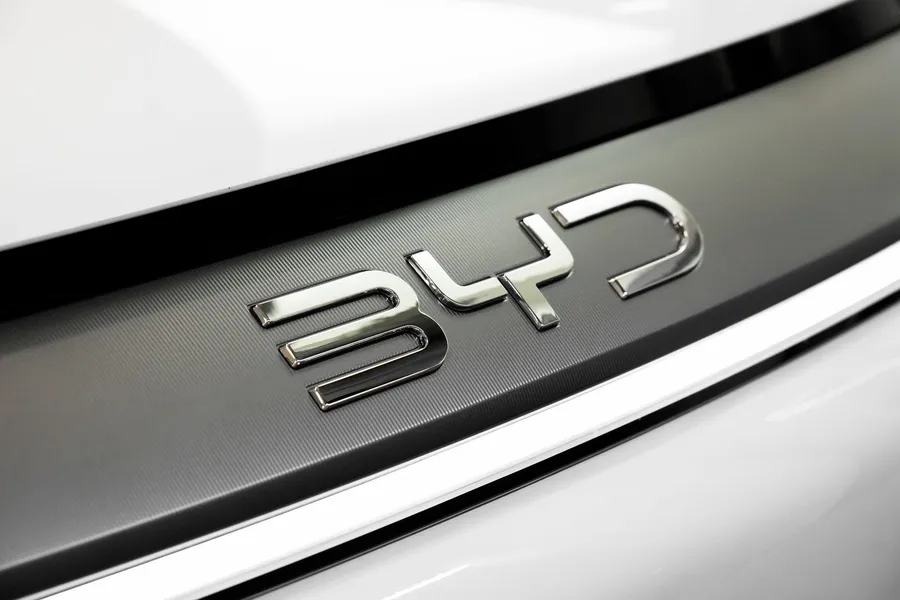
If your timing is lucky, the Beijing and Shanghai auto shows alternate each April and are open to the public for part of their run — the single densest place to see every Chinese brand at once.
What you can't do: drive one
China doesn't recognise International Driving Permits. A foreign licence alone will not let you rent and drive a car here, and no amount of enthusiasm for the local EVs changes that. Everything above is as a passenger or a visitor.
If you want to be the one moving the vehicle, two wheels is the route that's actually open to visitors — see e-bikes and scooters, where a passport and a deposit are the whole formality.
Frequently asked questions
- Can a tourist ride in a Chinese electric car?
- Constantly, and usually without trying. A large share of China's ride-hail and taxi fleet is electric, so ordinary DiDi rides land you in a BYD, Aion or Xpeng by default. If you want a specific brand, order a higher service tier — the premium categories skew towards newer electric models.
- Can foreigners ride a driverless robotaxi in China?
- Sometimes, and it depends on the operator. Baidu's Apollo Go is the largest network but its app is Chinese-only and foreign users often hit a Chinese-ID wall at registration. Pony.ai offers an English interface and reportedly accepts passports in some pilot zones, and WeRide is generally described as the most foreigner-friendly. Reports vary by city and month, so treat it as a bonus rather than a fixed plan — and having a Chinese-speaking friend or hotel concierge order for you is the reliable fallback.
- What is battery swapping and can I watch it?
- Instead of charging, the car drives into a station and a robot exchanges the depleted battery for a full one in roughly three to five minutes. NIO runs the biggest network — it passed 100 million cumulative swaps in February 2026 — and the stations sit in ordinary car parks and service areas where anyone can stand and watch. It's the single most science-fiction thing you can see for free in China.
- Can I drive an electric car in China as a tourist?
- No. China doesn't recognise International Driving Permits, so you can't rent and drive on a foreign licence. Every option in this guide is as a passenger or a visitor — which, given Chinese city traffic, is arguably the better deal anyway.
- Are the brand showrooms open to the public?
- Yes, and they're designed to be walked into. NIO, BYD, Xpeng, Li Auto and Xiaomi all run street-level or mall stores, and NIO Houses in particular function as lounges with cafés and workspaces rather than as hard-sell dealerships. Nobody will mind a visitor sitting in the cars.
Verified 2026-08-10. Robotaxi registration rules for foreign passports change frequently and vary by city — confirm locally rather than planning a day around one. Tell us if something here is out of date.