Guide · Verified 2026-07-09
Tipping in China: The Complete (Very Short) Etiquette
Here's the entire rule: don't tip. Not at restaurants, not in taxis, not at hotels, not at the massage place. China runs on exact prices paid by QR code, and there's simply no slot in the transaction — social or digital — where a tip goes. The rest of this page covers the two real exceptions and how to handle the moment gracefully when you want to say thanks anyway.
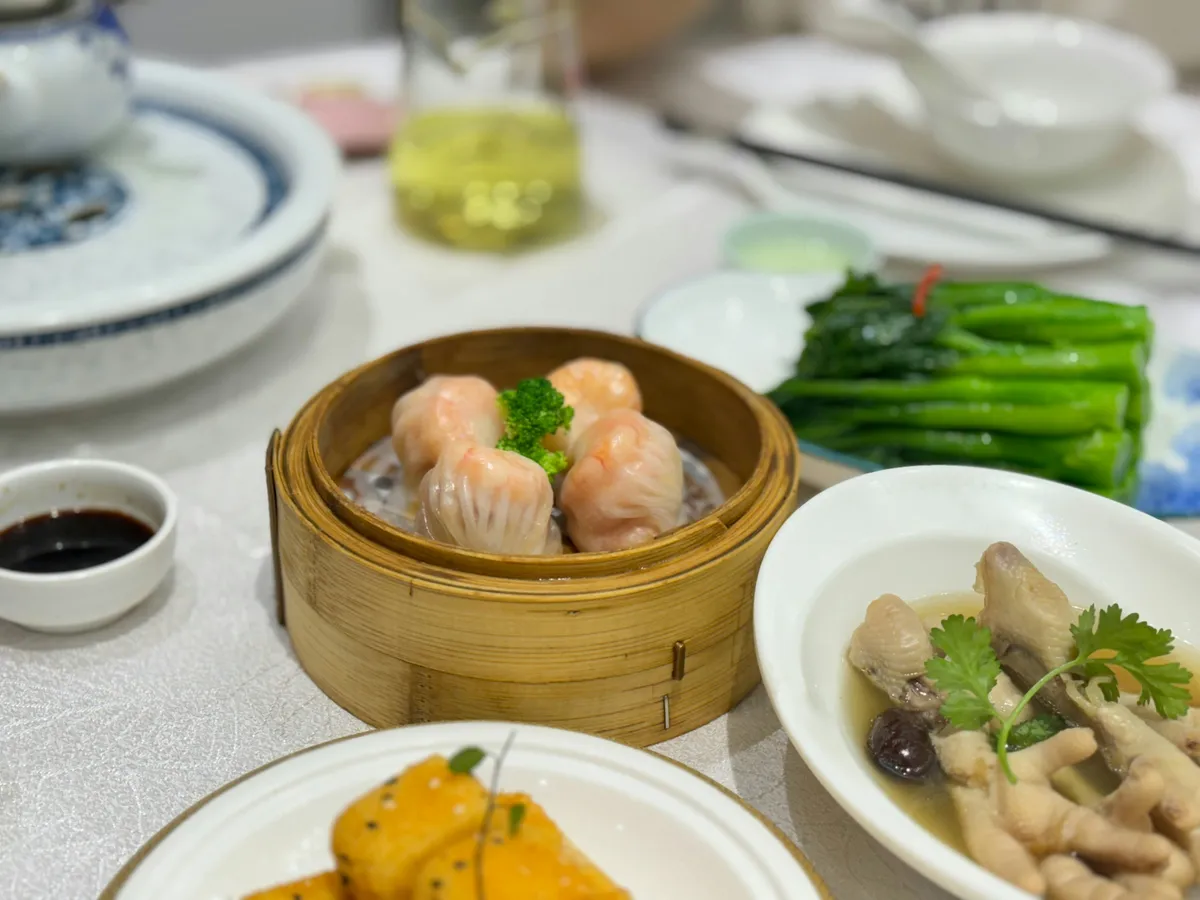
Every situation, one table
| Situation | Tip? | Notes |
|---|---|---|
| Restaurants & cafes | No | Staff may chase you down to return 'forgotten' money |
| Street food stalls | No | Pay the price, get the food, everyone's happy |
| Taxis & DiDi | No | The meter or app fare is the whole fare |
| Hotels (standard) | No | Not for check-in, housekeeping, or the front desk |
| Bars & KTV | No | Local venues don't expect it; luxury hotel bars won't refuse it |
| Massage & spas | No | The listed price is the price |
| Hairdressers | No | Same story |
| Private tour guides | Sometimes | The one real exception — check your operator's terms |
| Private drivers (booked tours) | Sometimes | Often bundled; don't pay twice |
| Luxury hotel bell staff | Optional | Familiar with tips, but nobody's waiting for one |
Why the culture works this way
Two reasons. First, payment: with Alipay and WeChat Pay, you pay the exact amount shown and the transaction ends — there's no card slip to write a number on, no cash change hitting the table. The mechanics of tipping don't exist. Second, service culture: staff aren't paid on the expectation of tips, so a tip reads less like gratitude and more like a puzzle — money that doesn't belong to anyone. That's why leaving bills behind can genuinely result in a waiter chasing you down the street to return them.
One habit worth dropping at the border: don't read the local service style as "worse service that deserves less." Nobody introduces themselves, hovers, or refills your water with theatrical timing — the food arrives fast, the bill is honest, and you're left alone to eat. Different model, not a lesser one.
Different model, not a lesser one.
The exceptions: guides, drivers, and five-star lobbies

Private tour guides are the one group for whom tipping is genuinely familiar, because they work with international travelers who bring the habit with them. Before you calculate anything, read your booking confirmation: many operators bundle gratuities into the price or print a suggested optional amount, and paying twice helps no one. If you do tip a guide who spent the day translating menus, juggling tickets, and rescuing your schedule — hand them cash in yuan directly at the end, and keep it simple. No percentages; this isn't that system.
Same logic for private drivers on foreign-market tours (check what's bundled), and for bell staff at luxury international hotels, where a small cash thank-you for hauling four suitcases won't confuse anyone. If a bill at a high-end hotel restaurant shows a service charge — often 10–15% — that's the venue's version of the whole conversation. Consider it settled.
Want to show appreciation? These land better
A clearly spoken xièxie (thank you), a five-star review naming the person on the platform you booked through, coming back the next morning, or recommending the place to another traveler — in a no-tipping culture, these are the currencies that actually register. Cheaper than cash, worth more.
Frequently asked questions
- Do you tip in restaurants in China?
- No. There's no tip line, no percentage math, no expectation. Leave cash on the table and staff may assume you forgot it — it's not unheard of for a waiter to run after you to give it back. A thank-you (xièxie) is the entire transaction.
- Do you tip taxi or DiDi drivers in China?
- No. The metered or app fare is the full amount. DiDi doesn't prompt you for a tip, and drivers don't expect rounding up — though nobody will object if you wave off a few yuan of change after help with heavy bags.
- Should I tip my tour guide in China?
- This is the one case where tipping genuinely comes up, mostly on private tours and international packages. Check your booking terms first: some operators include gratuities, others suggest an optional amount. If you tip, hand cash (yuan) directly at the end of the tour — there's no standard percentage.
- Is there a service charge in China instead of tipping?
- High-end hotels and their restaurants often add a service charge, typically in the 10–15% range, shown on the bill. Treat it as part of the price — it is not an invitation to add more on top.
- Will tipping offend anyone in China?
- Offend is too strong — confuse is more accurate. Most refusals are genuine ('this isn't ours to take'), not politeness theater. If someone declines twice, accept it gracefully and let a sincere thank-you do the job.
Verified 2026-07-09. Service-charge practices at luxury venues vary; the bill always tells you. Tell us if you hit an exception we should cover. Tour guide photo: Daniel Case, CC BY-SA 3.0, via Wikimedia Commons.